
Build Your Own Bag

Travel Sized
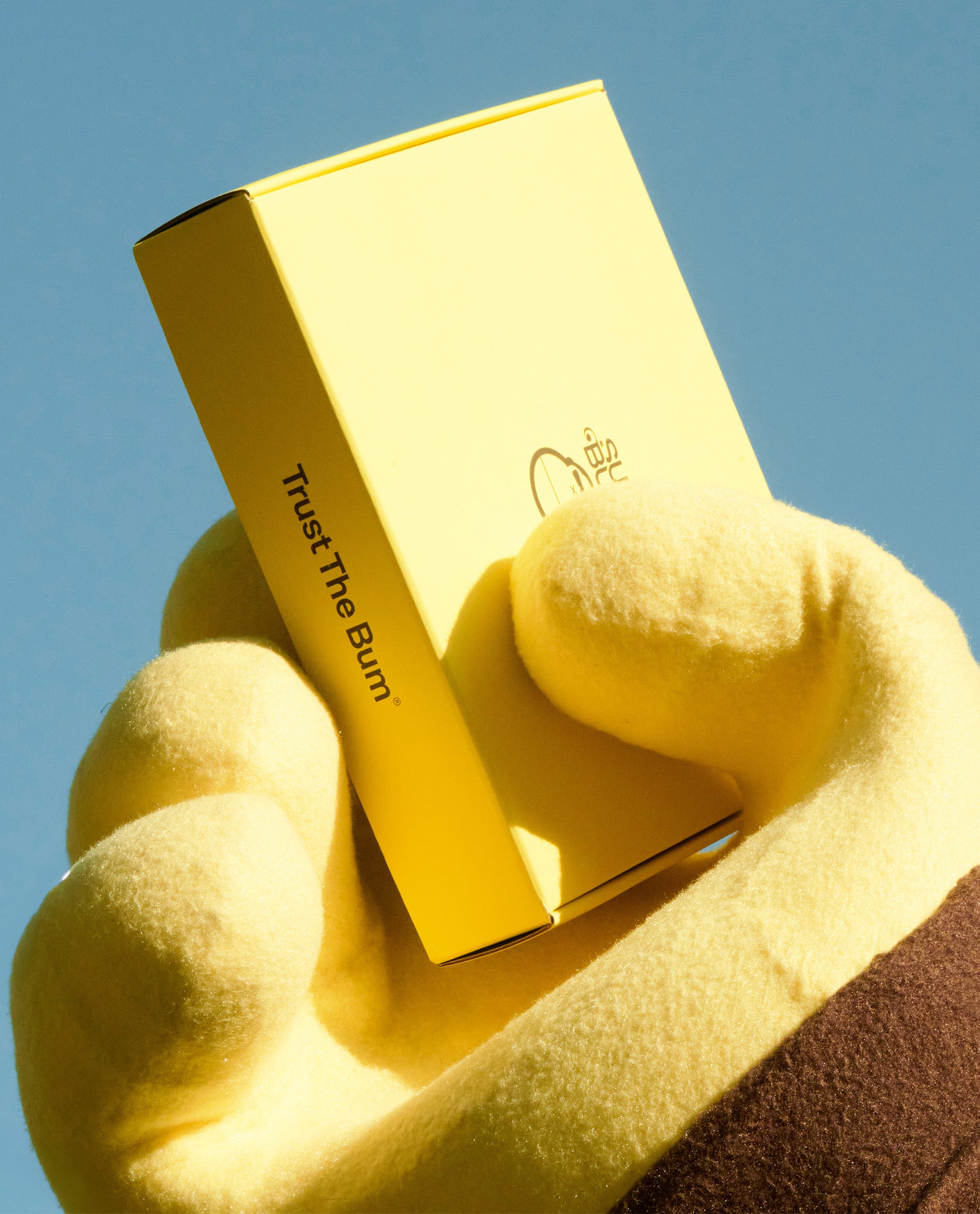
Set it & Get It


Say hello to our Revitalizing Detox Scalp Scrub—our newest hair care hero.
You’ve probably heard all about how important it is to regularly exfoliate your skin to keep it looking and feeling its best, right? Well, the same goes for takin’ good care of our scalp—in fact, the health of our hair might just depend on it.


We used to think that washing our hair with a good shampoo and conditioner was enough to keep our hair happy. But when we heard about the magic of scalp scrubs, our minds were blown. You’d be surprised at all the stuff that builds up on our heads over time. All kinds of impurities from chlorine, saltwater, product buildup, and excess oil can make our hair dull and also irritate our scalp. No bueno.
We’ve found that adding a detox scalp scrub into our weekly hair routine helps clear away the junk, giving our scalp (and our hair) a chance to breathe again.
The reason we love our detox scalp scrub more than any others we’ve tried, isn’t only cuz we made it. We love it because it does more than just exfoliate. It’s also a color safe, sulfate free shampoo made with a dreamy blend of ingredients (like Apple Cider Vinegar and soothing Blue Agave) that’s specifically formulated to detox and wash away buildup in our hair, as well as our scalp—and might just be our ticket to a happier head of hair.
Apple Cider Vinegar—Detoxifying + exfoliating secret agent. A known anti-inflammatory that helps break down buildup in the hair and on the scalp.
Blue Agave—The cool kid. Soothing and calming to the scalp.
Banana—Contains protective antioxidants.
Sugar—Gently exfoliates collected buildup around our scalp.
Hot Tip: We recommend gently brushing your hair before getting into the shower to help make it a little easier to work any product through it.
Wet your hair, part it in different areas all around your head, and apply scalp scrub directly onto scalp. Massage into a lather using small, circular movements around head and hairline. Rinse well and follow with your favorite conditioner (see below for ours).
How Often Should You Use a Scalp Scrub?
How often you use it depends on your hair type and what other products you use, but we recommend swapping out your normal shampoo for a detox shampoo 1X per week.
After detoxing, our deep conditioning mask is one of our favorite hair care concoctions. Made with soothing Bamboo extract and protecting Sunflower Seed Oil and Banana, it helps deliver intense moisture while enhancing the natural shine and manageability of our hair.

Love is in the hair.
XO, SB
Does sunscreen block blue light? Some do, some don't, it all comes down to what's in the bottle. If you're wondering, can sunscreen block blue light? The answer is yes, but only certain formulas offer meaningful protection. Blue light comes from the sun and is emitted from every screen you look at, and it's been linked to dark spots and early signs of aging. The catch is that a lot of everyday sunscreens aren't built to block it. Here's which formulas actually help, and how to give your skin better backup against blue light.
If you've ever wondered, can you get sunburned under water, the answer is also yes because UV rays continue traveling below the surface. Your dip might feel like a refreshing break from the sun, but UV rays don’t stop at the surface. They travel right into the water with you, which means your skin could still get burned when surfing, swimming, or splashing around. Read on for why swimming can actually increase your burn risk, and how to stay protected while still making the most of your beach days. Because one thing about us, we’re staying in the water.
Do you need to wear sunscreen indoors? It sounds like overkill until you realize how much sun gets inside. If you're wondering, "should I wear sunscreen indoors?" the answer is yes, especially if you spend time near windows or in bright indoor spaces. Between the UVA rays slipping through your windows and the blue light off your screens, indoors isn't the safe space for your skin you might think it is. Here's when indoor SPF comes in clutch, what it protects against, and how to fit it into your routine.
Does SPF 30 vs. SPF 50 feel like choosing between green or red sauce on your burrito? We get it and we’ve got you. Here's what changes between the two and when to bump up.
Is 70 the new 50? When it comes to SPF, we love them both. From daily coverage in peak summer to all-out protection if your surf trip turns tropical (lucky you),if you’re comparing SPF 50 vs 70, or wondering does SPF 70 work better than 50, the answer comes down to how intense your sun exposure is.
We’re going for bronzed, not burned, and choosing between SPF 15 vs. SPF 30 can be the difference between the two. Here's what to know before you, ahem, reach for the bottle.


