Key Takeaways
Table of Contents
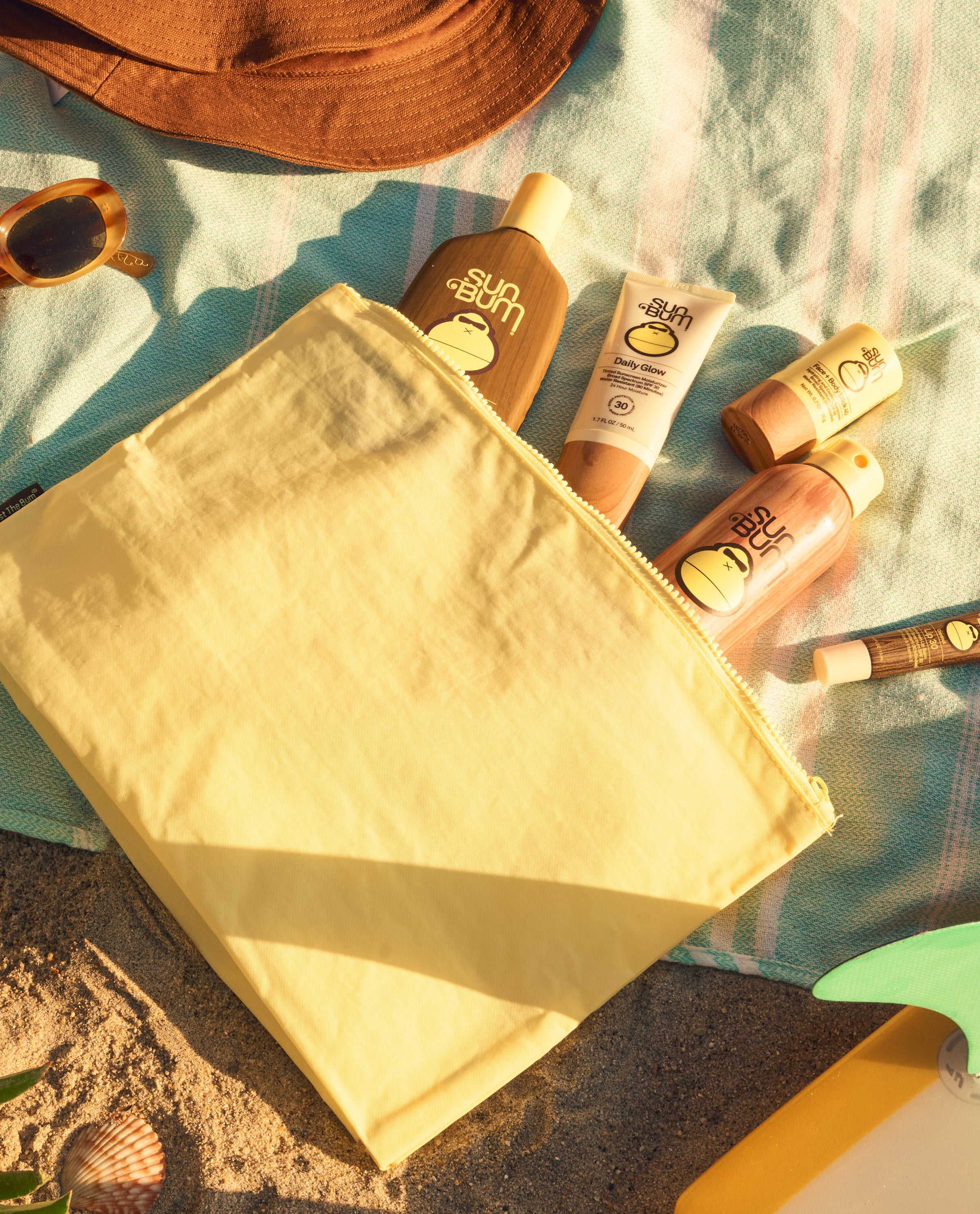
When it comes to sun protection, a lot of people wonder about sunscreen spray vs. lotion, and which one actually works better. Spoiler: both get the job done, just in slightly different ways.

When it comes to sun protection, a lot of people wonder about sunscreen spray vs. lotion, and which one actually works better. Spoiler: both get the job done, just in slightly different ways.
When it comes to sun protection, a lot of people wonder about sunscreen spray vs. lotion, and which one actually works better. Spoiler: both get the job done, just in slightly different ways. Whether you’re beach-bound, trail-trekking, or just running errands under the sun, picking the right formula can make a big difference in how protected (and comfy) your skin feels. Let’s break down the perks of each so you can find your perfect SPF match.
The biggest difference between sunscreen spray and lotion comes down to how you put them on. Lotion is rubbed straight onto your skin, so it is easier to see where you have covered and where you might have missed. It usually feels a little thicker and may take more effort to rub in, but it gives you solid, even coverage when used right. Spray sunscreen is quicker and less messy. You just mist it over your skin, which makes it a great pick for reapplying while you are out and about. The tricky part is making sure you do not miss a spot.
Sunscreen spray is a liquid formula that comes out as a fine mist when you hit the nozzle. It uses pressurized gas to deliver a lightweight layer of sun protection anywhere you need it. This format is great for quick touch-ups, especially when you’re trying to reach tricky spots like your back or shoulders. Big win for convenience, but you’ll still want to watch for even coverage and avoid direct sprays near your face.
Spray sunscreen is popular for a reason. It’s fast, fuss-free, and way less messy than lotion. The lightweight feel is perfect if you’re not into thick creams. It’s a reapply hero, especially if your hands are sandy, wet, or busy holding a coconut. Bonus: it helps you hit those hard-to-reach areas and dries down fast without feeling greasy.
The convenience of spray sunscreen comes with a few tradeoffs. Since it is applied as a mist, it is easier to miss spots or apply too lightly. Spraying too close or too far can lead to uneven coverage. There is also the risk of accidentally inhaling the product, so it is best to apply in open air and never spray directly on your face. Some sprays contain propellants that may be irritating for sensitive skin or the environment, so always check the label and use with care.
Sunscreen lotion is the classic: a cream or liquid formula you rub right into your skin. It acts like a shield, blocking or absorbing UV rays to help prevent sunburn, early aging, and long-term damage. Because you rub it in, you’re in control and can see exactly what’s covered. Lotion’s been the go-to for ages, and for good reason.
Lotion lets you see and feel exactly where you’ve covered, which can mean fewer missed spots. It is easier to see and feel where you have already covered, so you can apply evenly. Many lotion formulas are also rich in moisturizing ingredients, which can be a bonus for dry or sensitive skin. Because you rub it in, you are more hands on with the process, which helps make sure your skin is fully protected.
The trade-off? It takes a little longer to apply. Hard-to-reach spots can be a struggle unless you’ve got a buddy on back-duty. Some lotions can feel thicker or leave you a bit sticky, not ideal when it’s hot and humid. If you’re in a rush or want a mess-free reapply, lotion might feel like more work than spray.
Totally, as long as you use it the right way. Both can protect you equally well when they have the same SPF and you apply the right amount. The difference is in the coverage. With lotion, you see exactly what you’re doing. Spray takes a little more care to avoid patchy spots. Just cover every area and rub it in for max protection.
Yep, dermatologists give spray the thumbs-up, as long as you do it right. The American Academy of Dermatology says spray it on generously and rub it in to make sure you’re covered. Spray is fast and handy, but don’t skimp or skip the rub-in step. Always spray in fresh air and avoid spraying right onto your face. Used properly, spray = lotion-level protection.
If you’re wondering how to treat baby sunburn, don’t worry, we’ve got you covered. Babies have sensitive skin, and it’s super important to soothe that burn ASAP.
Skip the screen—not a big deal, right? Ummm... We all know we’re serious about the screen around here, but you might be surprised to find out why. ‘Cuz it’s not just about the risk of getting a burn (although we really, really hate that).


