
Build Your Own Bag
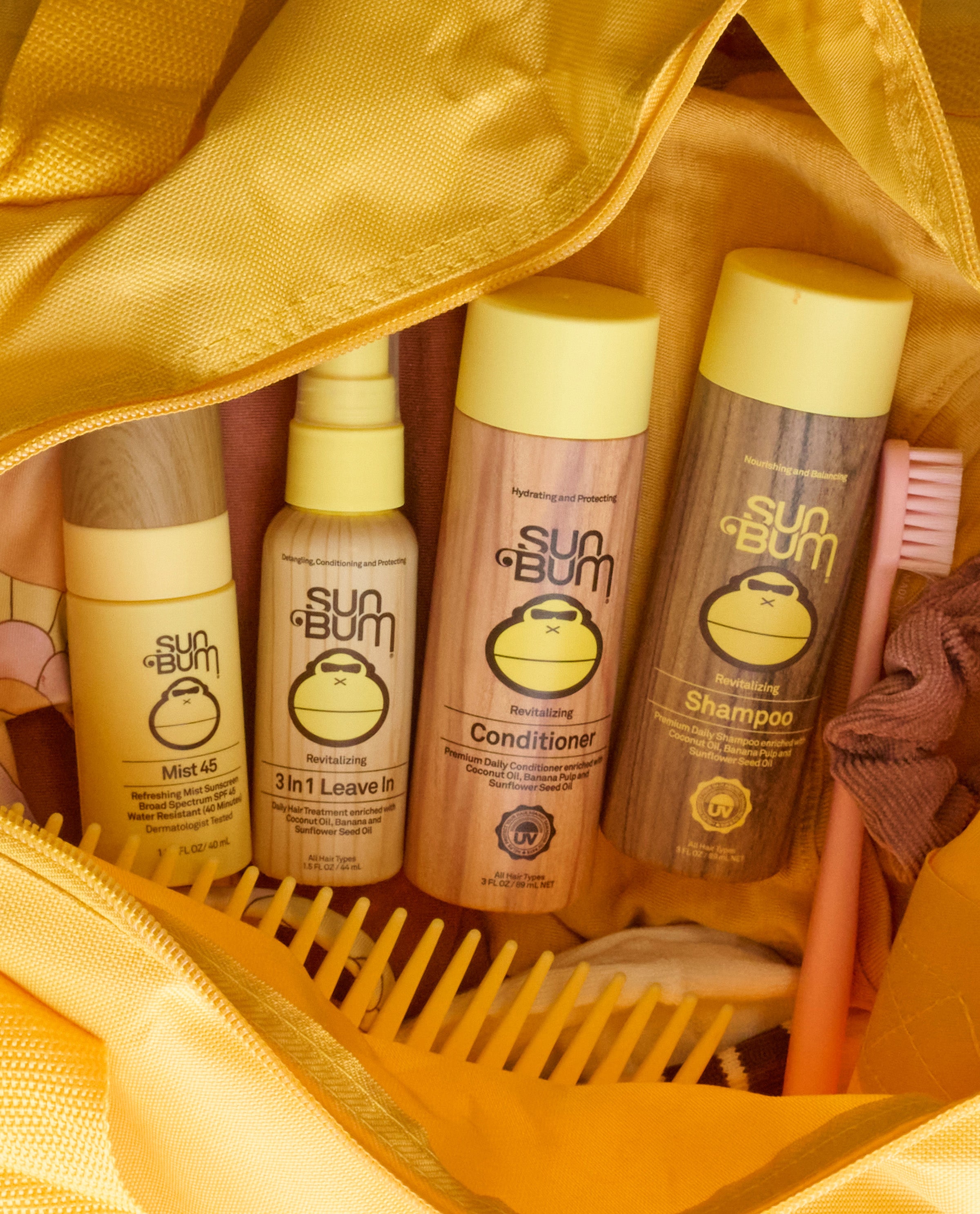
Travel Sized
Set it & Get It

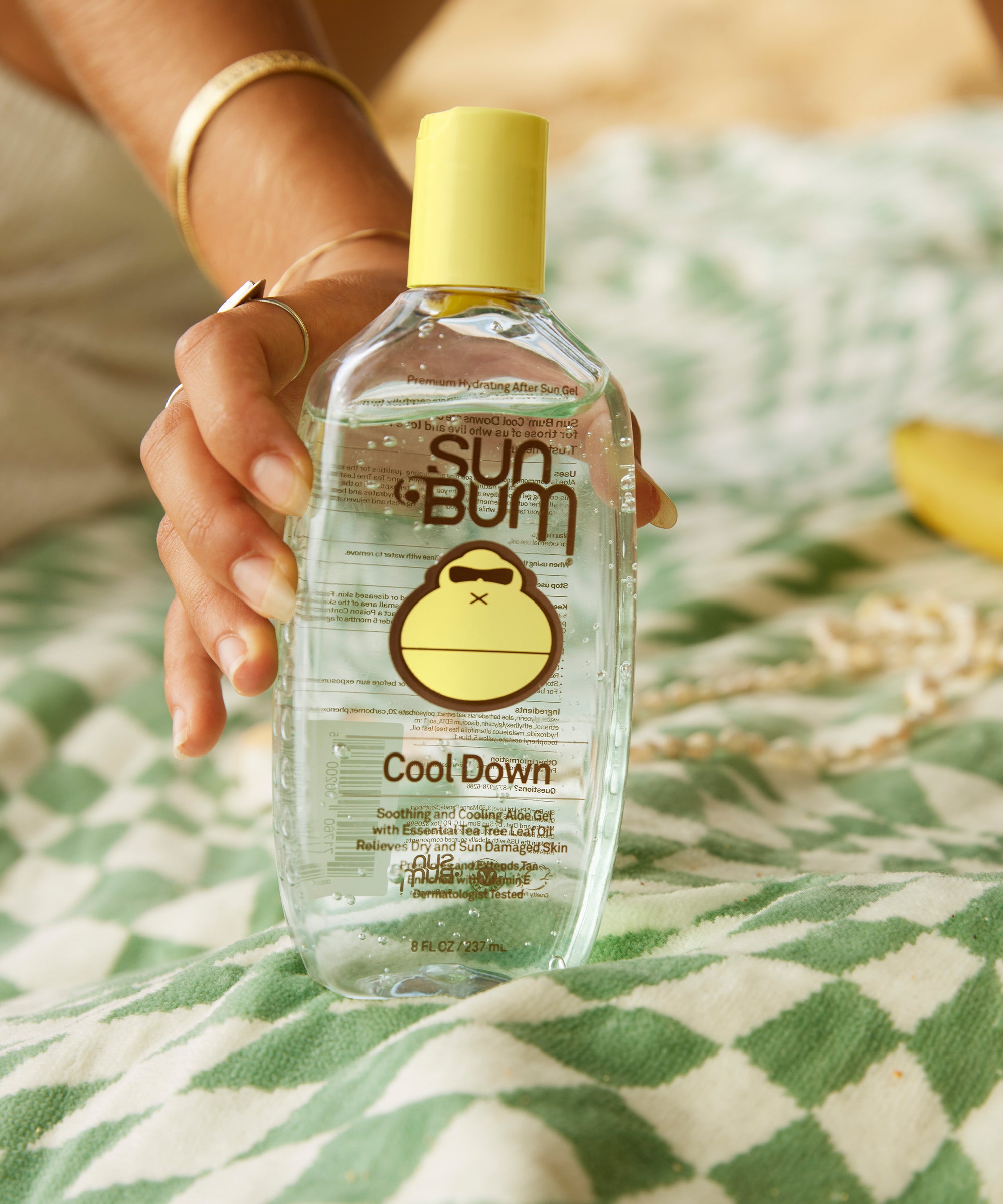
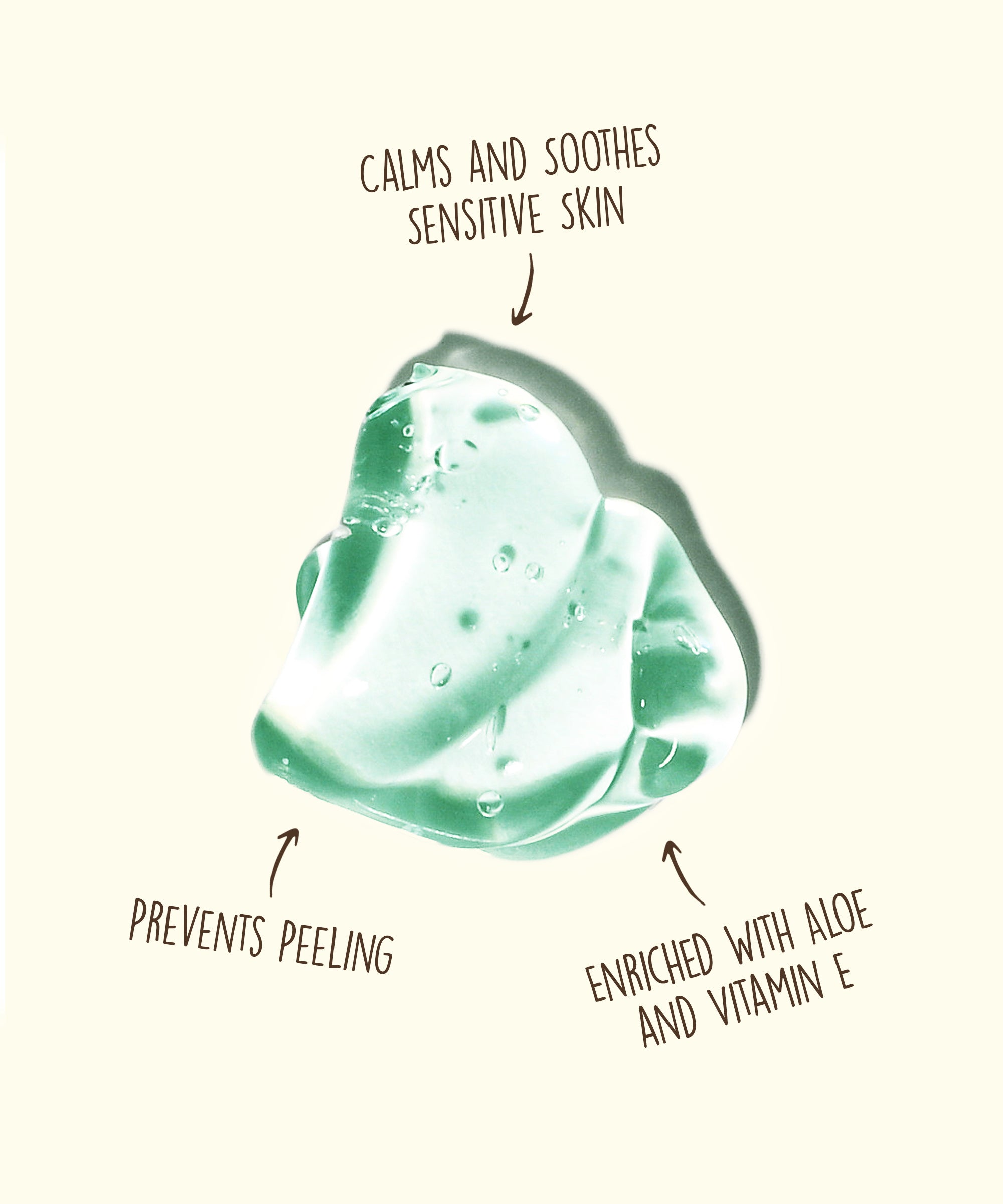


We like to prevent sunburns, but if you get one, our soothing Aloe gel is a lifesaver.
*Please refer to the ingredient list on the back of your product packaging for the most current and accurate information.
Uses
Warnings
Directions
Other Information




Cool it down with sensitive-skin friendly products enriched with good stuff like Aloe and Hypochlorous Acid.

We love it for after-sun hydration.

That's how you know it's good on sensitive skin.
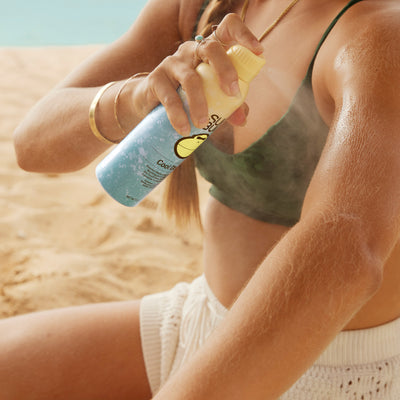
Enriched with good stuff like Aloe and Hypochlorous Acid.
The SPF (Sun Protection Factor) on a bottle of sunscreen indicates the level of protection we're getting from the sun's UVB rays—which are the sun rays most commonly responsible for sunburns and skin cancer.
SPF, which stands for Sun Protection Factor, has been used for decades to determine the level of protection someone can expect from the sunscreen they use. It can often vary from person to person given multiple factors such as testing methods and environmental factors. In addition, everyone’s skin is different, which can also affect what kind of SPF is best suited to fit their individual needs.
A common misperception is that the SPF number on a bottle signifies the amount of time you can spend in the sun without getting burned (30 minutes for SPF 30, 50 minutes for SPF 50 etc.) This is not accurate. In fact, the SPF rating system is far more complex and based on the degree to which a certain formula protects against the sun’s harmful UVB rays over a certain period of time. For example, a sunscreen with a rating of SPF 30 allows only 3 photons per 100 to penetrate the skin, meaning it shields approximately 97% of the sun’s harmful UVB rays. This roughly translates to 30 times the protection you’d have versus using no sunscreen at all. This extends to SPF 50 (98% or 50 times the protection) and SPF 70 (98.5% or 70 times the protection). The length of time that a sunscreen will protect you from sunburn will vary based on the UV index at the time as well as other factors.
At Sun Bum, we like to think we make sun care products for everyone. So, whether your SPF preference is 30 or 50, mineral or non-mineral, lotion or spray, you can stay protected from the sun’s harmful rays. As noted by the Skin Cancer Foundation, “The best sunscreen is the one you’ll use.”
Global SPF assessment standards have been updated several times over the years, with the most recent update in 2019. The purpose of these updates—which were led by regional regulators and groups such as the International Organization for Standardization (ISO)—was to reduce the variability of SPF assessments. Currently, even the globally recognized “gold standard” SPF test — the in-vivo test known as SPF ISO-24444 — is subject to considerable variability due to the inherent human biases built into the testing process (Ruvolo, Yousefian,International Journal of Cosmetic Science, Dec. 2025). Because of this, there is an increasing call for governments and regulators to update the testing protocols and standards they recommend for manufacturers to follow — for example, using the HDRS-ISO 23698 test: an in vivo/in vitro hybrid that addresses some of the more subjective factors common with in-vivo only testing. (Ruvolo, Yousefian,International Journal of Cosmetic Science, Dec. 2025).

Avoid making a rookie mistake! Reapply every 2 hours and after swimming, sweating and toweling off.

Yup, 90% of UV rays still find their way through clouds, which means you can still get fried.

We know it’s tough, but try to limit sun exposure when the sun’s rays are most intense (10am to 4pm).

Yep. Reflections off water and snow can increase sun exposure by up to 50%. Keep that in mind when you’re surfing or on the slopes.

Keep newborns out of direct sunlight and always cover them with shade. Check with your pediatrician, before applying sunscreen to children under 6 months.


